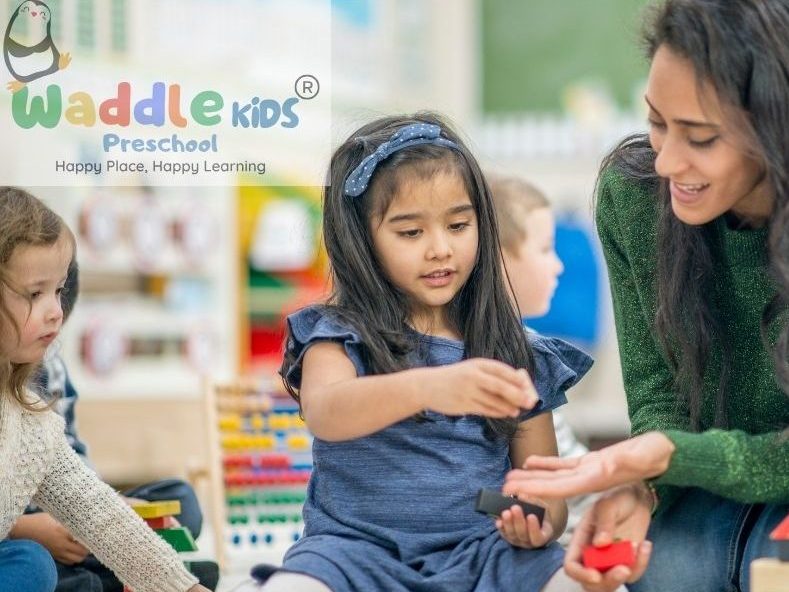
As parents, we all want the best for our children, especially during their formative years. One of the most effective ways to support their development is through play-based learning. This approach harnesses the natural curiosity and enthusiasm of toddlers, turning everyday activities into opportunities for growth and learning.
Let’s explore the benefits of play-based learning and how it supports the holistic development of children under 6, along with some practical tips and activities for incorporating this approach at home.
Benefits of Play-Based Learning
Cognitive Development:
Play-based learning encourages problem-solving, critical thinking, and decision-making. When children engage in activities like building with blocks or solving puzzles, they learn to think strategically and enhance their cognitive abilities.
Emotional Development:
Through play, toddlers express their emotions and learn to manage them. Role-playing games, such as pretending to be a doctor or a teacher, allow children to explore different emotions and develop empathy.
Physical Development:
Activities that involve running, jumping, or climbing help improve gross motor skills, while fine motor skills are honed through tasks like drawing, cutting with scissors, or playing with small objects. Physical play is crucial for overall health and coordination.
Social Development:
Playtime with peers teaches children how to share, take turns, and collaborate. These interactions are vital for developing social skills and building relationships.
Linguistic Development:
Engaging in conversations during play, listening to stories, and singing songs all contribute to language acquisition and vocabulary expansion. Play-based learning provides a natural context for language development.
Examples of Play-Based Learning Activities:
1. Building and Construction:
Use blocks, LEGO, or household items to build structures. This activity promotes spatial awareness, fine motor skills, and creativity.
2. Role-Playing:
Set up a play kitchen, doctor’s office, or grocery store. Role-playing helps children understand the world around them and develop social and language skills.
3. Art and Craft:
Provide crayons, paper, glue, and other craft supplies. Artistic activities encourage creativity, fine motor skills, and emotional expression.
4. Outdoor Play:
Activities like playing in the sandbox, riding a tricycle, or exploring nature enhance physical development and sensory experiences.
5. Storytime and Music:
Read books together, sing songs, and engage in simple musical activities. These activities support linguistic development and emotional bonding.
Tips for Incorporating Play-Based Learning at Home:
1. Create a Play-Friendly Environment:
Designate a safe, clutter-free area in your home for play. Ensure it has a variety of age-appropriate toys and materials that encourage exploration and creativity.
2. Follow Your Child’s Lead:
Observe your child’s interests and incorporate them into playtime. If your toddler loves animals, include animal toys and books in their play activities.
3. Encourage Free Play:
Allow your child to engage in unstructured playtime. Free play promotes independence and creativity as children make their own choices and invent their own games.
4. Join in the Fun:
Participate in your child’s play activities. Your involvement shows interest and provides opportunities for bonding and modeling social interactions.
5. Balance Screen Time:
Limit the use of screens and encourage more hands-on, active play. If screens are used, ensure the content is educational and interactive.
Play-based learning is not just about having fun; it is a powerful tool that supports the comprehensive development of toddlers. By integrating play into daily routines, parents can create a rich learning environment that nurtures their child’s growth in all domains. So, let’s embrace the power of play and watch our children flourish into happy, well-rounded individuals.

 Waddle Kids Preschool - The Best Preschool in Chennai- Happy Place! Happy Learning!
Leave a comment