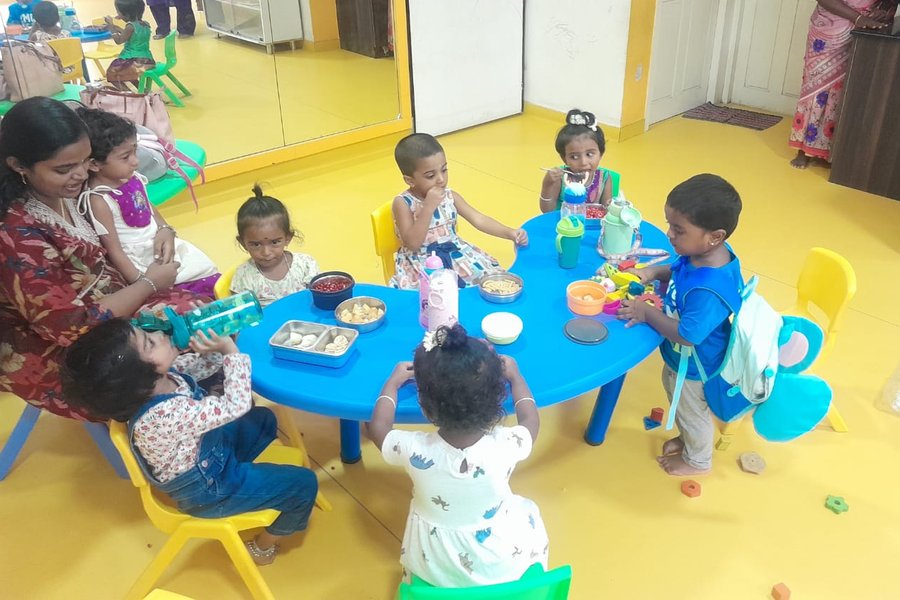
Ensuring that preschoolers develop healthy eating habits is crucial for their growth, development, and overall well-being. At Waddle Kids, recognized as the Best Preschool in Chennai and the Best Preschool in Medavakkam, we prioritize providing nutritious meals that appeal to young children.
In this blog, we will offer guidance on nutritious meal planning for preschoolers, share easy and healthy recipes, provide tips for dealing with picky eaters, and offer advice on creating balanced meals.
The Importance of Healthy Eating Habits
Healthy eating habits established in early childhood can set the stage for a lifetime of good nutrition. Proper nutrition supports physical growth, cognitive development, and emotional well-being. According to the American Academy of Pediatrics, balanced meals help prevent chronic diseases, support immune function, and enhance learning abilities.
Tips for Nutritious Meal Planning
1. Balance and Variety
Ensure each meal includes a balance of fruits, vegetables, whole grains, proteins, and healthy fats. Variety not only provides essential nutrients but also keeps meals interesting for young children.
2. Portion Control
Preschoolers have small stomachs, so offer small, frequent meals and snacks. Avoid overwhelming them with large portions.
3. Limit Sugars and Processed Foods
Minimize the intake of sugary snacks and drinks, and avoid highly processed foods. Opt for natural, whole foods instead.
4. Involve Children in Meal Preparation
Engaging children in meal planning and preparation can make them more interested in trying new foods. Simple tasks like washing vegetables or stirring ingredients can be fun and educational.
Dealing with Picky Eaters
1. Be Patient
It may take multiple exposures to a new food before a child accepts it. Encourage them to try new foods without pressuring them.
2. Make Food Fun
Use creative presentations, such as arranging fruits and vegetables into fun shapes or characters. Involving children in meal prep can also make them more excited about eating.
3. Offer Choices
Provide a couple of healthy options and let your child choose. This gives them a sense of control and increases the likelihood they will try something new.
4. Set a Good Example
Children are more likely to eat healthy foods if they see their parents and caregivers doing the same. Model healthy eating habits at home and in social settings.
Easy and Healthy Recipes
1. Fruit and Veggie Smoothie
Ingredients: 1 banana, 1 cup spinach, 1 cup mixed berries, 1 cup almond milk.
Instructions: Blend all ingredients until smooth. Serve immediately.
2. Mini Veggie Omelets
Ingredients: 2 eggs, 1/4 cup chopped bell peppers, 1/4 cup chopped spinach, 1/4 cup shredded cheese.
Instructions: Beat the eggs and pour into a muffin tin. Add vegetables and cheese. Bake at 350°F for 15-20 minutes.
3. Homemade Granola Bars
Ingredients: 2 cups rolled oats, 1/4 cup honey, 1/4 cup peanut butter, 1/2 cup dried fruit.
Instructions: Mix all ingredients, press into a baking dish, and refrigerate until firm. Cut into bars.
Creating Balanced Meals
1. Colorful Plates
Aim to include a variety of colors on the plate. This not only makes meals visually appealing but also ensures a range of nutrients.
2. Whole Foods First
Prioritize whole, unprocessed foods. Include fresh fruits, vegetables, whole grains, lean proteins, and dairy or dairy alternatives.
3. Hydration
Encourage drinking water throughout the day. Limit sugary drinks and opt for milk or natural fruit juices in moderation.
Waddle Kids: Promoting Healthy Eating Habits
At Waddle Kids, the Best Preschool in Chennai and the Best Preschool in Medavakkam, we are committed to promoting healthy eating habits among our students. Our goal is to help children develop a positive relationship with food that will benefit them throughout their lives.
For more information and resources on healthy eating for children, visit these trusted sources: American Academy of Pediatrics – Nutrition and Academy of Nutrition and Dietetics – Healthy Eating Tips.
Join us at Waddle Kids and be part of a community that values the health and well-being of our children. Together, we can ensure that our little ones grow up with the knowledge and habits they need for a healthy future.